When it comes to protecting buildings from potential earthquakes, seismic bracing plays a crucial role in reinforcing structures and ensuring their stability during seismic events. seismic braces, also known as seismic restraint systems, are essential components that help minimize damage and prevent collapse in the event of an earthquake. These braces are designed to absorb and dissipate the energy generated by seismic waves, thereby reducing the impact on a building’s structural integrity.
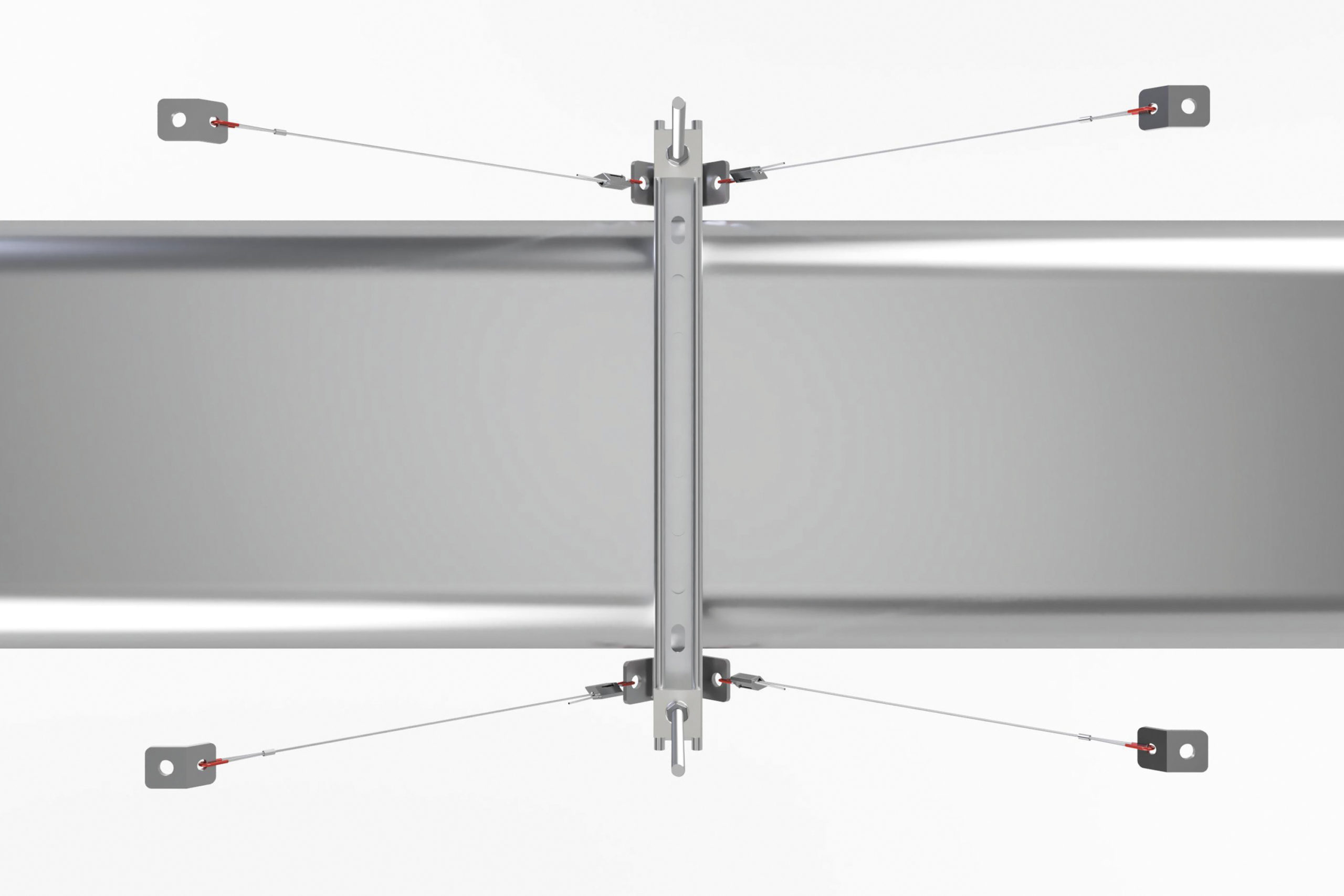
The primary function of seismic braces is to provide lateral support to structures, particularly in regions prone to seismic activity. Earthquakes can exert tremendous amounts of force on buildings, causing them to sway, deform, or even collapse. Without proper reinforcement, buildings are vulnerable to damage and pose a significant risk to occupants. seismic braces help counteract these lateral forces and ensure that the building remains stable during seismic events.
seismic braces are typically made of strong and resilient materials such as steel, aluminum, or composite materials. These materials are specifically chosen for their ability to absorb and dissipate seismic energy efficiently. The braces are strategically installed throughout the building to provide optimal support and prevent structural failure. By connecting key elements of the building, such as beams, columns, and walls, seismic braces create a network of support that helps distribute seismic forces evenly and prevent concentrated stress points.
One of the key benefits of seismic braces is their ability to improve the overall performance of a building during an earthquake. Buildings that are equipped with seismic bracing systems are better able to withstand the lateral forces generated by seismic waves, reducing the risk of damage and collapse. In addition, seismic braces can also improve the resilience of a building to other types of lateral loads, such as high winds or heavy snow loads. This added level of protection helps ensure the safety and stability of the building under various environmental conditions.
In regions where seismic activity is common, building codes and regulations often require the installation of seismic bracing systems. These regulations are put in place to protect the safety of occupants and reduce the risk of damage to buildings and infrastructure. Compliance with seismic codes ensures that buildings are designed and constructed to withstand the forces generated by earthquakes, providing peace of mind to occupants and building owners.
Seismic braces are also important for retrofitting existing buildings that were constructed before modern seismic codes were in place. These older buildings may not have been designed to withstand seismic forces, making them vulnerable to damage in the event of an earthquake. Retrofitting these buildings with seismic bracing systems can help improve their structural integrity and bring them up to current safety standards. By installing seismic braces, building owners can enhance the safety and stability of their structures, prolonging their lifespan and reducing the risk of damage during seismic events.
In addition to their practical benefits, seismic braces can also have financial advantages for building owners. By preventing damage and collapse during earthquakes, seismic braces can help reduce repair and reconstruction costs. Buildings that are equipped with seismic bracing systems are less likely to sustain significant damage, saving owners money on repairs and downtime. Furthermore, buildings that meet seismic code requirements may be eligible for lower insurance premiums, as insurers recognize the reduced risk of seismic damage.
Overall, seismic braces play a vital role in ensuring the safety and stability of buildings in earthquake-prone regions. These essential components help protect structures from damage and collapse, providing occupants with a higher level of safety and security. By investing in seismic bracing systems, building owners can enhance the resilience of their structures and minimize the risk of structural failure during seismic events. With proper installation and maintenance, seismic braces can help buildings withstand the forces of nature and remain standing for years to come.